


Real estate investors regularly coordinate sellers, buyers, contractors, agents, title professionals, and lenders while researching deals and monitoring active projects. Without reliable systems, important calls, documents, and follow-ups can disappear into separate inboxes, notebooks, and devices.
Accurate records also matter when a deal involves disputes, formal statements, or attorney review. In those situations, professional real estate transcription services can help preserve what was said without forcing an investor to replay an entire recording.
The right productivity tools should reduce repetitive work, keep information accessible, and give investors more time to evaluate opportunities. Here are nine categories worth considering.
1. Transcription and Captioning Services
Investor recordings can include seller calls, property walkthroughs, contractor updates, team meetings, webinars, podcasts, and marketing videos. A searchable transcript makes it easier to locate an address, a repair estimate, a deadline, or a promised next step.
Captions also make video content useful when viewers cannot or do not want to play audio. On YouTube, viewers can open a transcript, read along, search supported transcripts, and jump to a specific moment.
Automated transcription may create a fast draft; however, names, street addresses, construction terms, numbers, and poor phone audio can cause errors. If an AI transcript is only 61.92% accurate, correcting it can become another time-consuming task.
Human transcription is especially useful when the recording may support negotiations or deposition transcription services. Before recording a conversation, confirm the consent requirements and privacy rules that apply to the participants and location.
2. Customer Relationship Management Software
A customer relationship management system provides investors with a single place to track seller leads, buyers, agents, lenders, and other contacts. Each record can include property details, call notes, offer status, follow-up dates, and assigned team members.
Airtable can work as a flexible database for a solo investor or small team. Its current Free plan includes up to 1,000 records per base and five collaborators with Editor or Creator permissions. Smartsheet is a paid work-management option with grid, board, calendar, forms, reports, and project views.
A general platform may be enough for a simple operation. Investors with large lead volumes, acquisitions teams, or complex follow-up sequences may benefit from a real estate-specific CRM.
3. A Separate Cloud Business Phone System
Using a personal number for every seller inquiry makes it difficult to share responsibility or preserve a clear communication history.
A cloud phone system can route calls, manage business text messages, save voicemails, and allow authorized team members to respond from different devices. Some systems also connect call records to a CRM or automatically create follow-up tasks.
Twilio provides programmable voice tools and pay-as-you-go calling. However, it is primarily a platform for building customized communications rather than a ready-made phone system for every user. Investors should compare setup requirements, call-recording controls, integrations, and support before choosing a provider.
4. Project Management Software
A CRM tracks relationships. Project management software tracks the work required to move deals and renovations forward.
Create a project or template for each acquisition, closing, rehabilitation, rental turnover, or sale. Assign owners and due dates for inspections, estimates, title work, financing, permits, materials, and contractor milestones.
Asana’s current Personal plan is free for up to two users and includes unlimited tasks and projects with list, board, and calendar views. Larger teams may need a paid plan or another platform with stronger budgeting, workload, and reporting features.
The tool matters less than the routine. Review it daily, assign each task to a person, and set a deadline for each important task.
5. Cloud Document Collaboration
Real estate teams work with offer notes, scopes of work, budgets, marketing copy, photographs, inspection reports, and closing documents. Storing these materials in a single controlled workspace prevents multiple versions from circulating via email.
Google Drive allows users to organize files, collaborate in real time, and assign viewing, commenting, or editing permissions. Some Google Workspace plans also include shared drives and electronic-signature features.
Use consistent folder names and restrict access to people who need it. For example, a transcript or summary used during court transcription services should not be stored in an unrestricted public folder.
6. Email Marketing Software
Wholesalers and other investors may use email campaigns to distribute available properties, educate leads, or maintain contact with buyers.
Create reusable templates for new deals, price changes, open houses, and follow-up sequences. Keep the message focused, clearly identify the property, and provide a direct next step.
Free plans are now more limited than they once were. Mailchimp’s Free plan currently supports up to 250 contacts and 500 monthly sends. Brevo’s Free plan allows up to 300 email sends per day and stores up to 100,000 contacts, although feature and user limits apply.
Choose based on list size, automation needs, deliverability tools, integrations, and compliance features rather than brand recognition alone.
7. Workflow Automation
Automation removes repetitive steps between the tools an investor already uses.
For example, a new web form can create a CRM record, assign a follow-up task, notify the acquisitions team, and begin an approved email sequence. A missed call can trigger a reminder instead of relying on someone to remember it.
Zapier’s current Free plan includes 100 tasks per month and two-step workflows with one trigger and one action. More complex routing, filters, and multi-step processes generally require a paid plan.
Start with one frequent, rule-based task. Test the automation carefully and keep human review for offers, payments, legal documents, and other high-impact decisions.
8. Electronic Signature Software
Driving across town for every signature slows transactions and creates unnecessary scheduling problems. Electronic signature platforms can send agreements, show document status, issue reminders, and maintain an audit trail.
DocuSign’s Personal plan currently allows five envelope sends per month. PandaDoc offers a Free eSign plan with up to 60 sent documents per year, limited to two recipients per document.
Investors should compare recipient limits, templates, authentication, integrations, storage, audit records, and state-specific transaction requirements. The software should support the document process approved by the investor’s attorney, broker, or title professional.
9. Expense and Receipt Tracking
Waiting until tax season to organize receipts can lead to missing records and hours of avoidable work.
The IRS allows businesses to use a recordkeeping system suited to their operations. However, the system must clearly show income and expenses. Supporting documents may also be needed to establish the amount, date, payment, and business purpose of an expense.
An investor can use accounting software, a receipt-scanning app, or a structured cloud folder. Shoeboxed, for example, scans receipts and offers mileage tracking, reports, exports, and accounting integrations on selected plans. Its current Starter plan begins at $9 per month or $97 per year.
Record expenses as they occur, separate business and personal transactions, and ask a qualified tax professional which records apply to your investing activity.
Why Real Estate Clients Choose Ditto
Productivity improves when recordings return as accurate, usable documents rather than unchecked speech-to-text output.
Ditto Transcripts works with real estate firms, investors, appraisers, lenders, and other professionals who need transcripts of calls, interviews, meetings, dictation, videos, and property-related recordings.
Clients choose Ditto for:
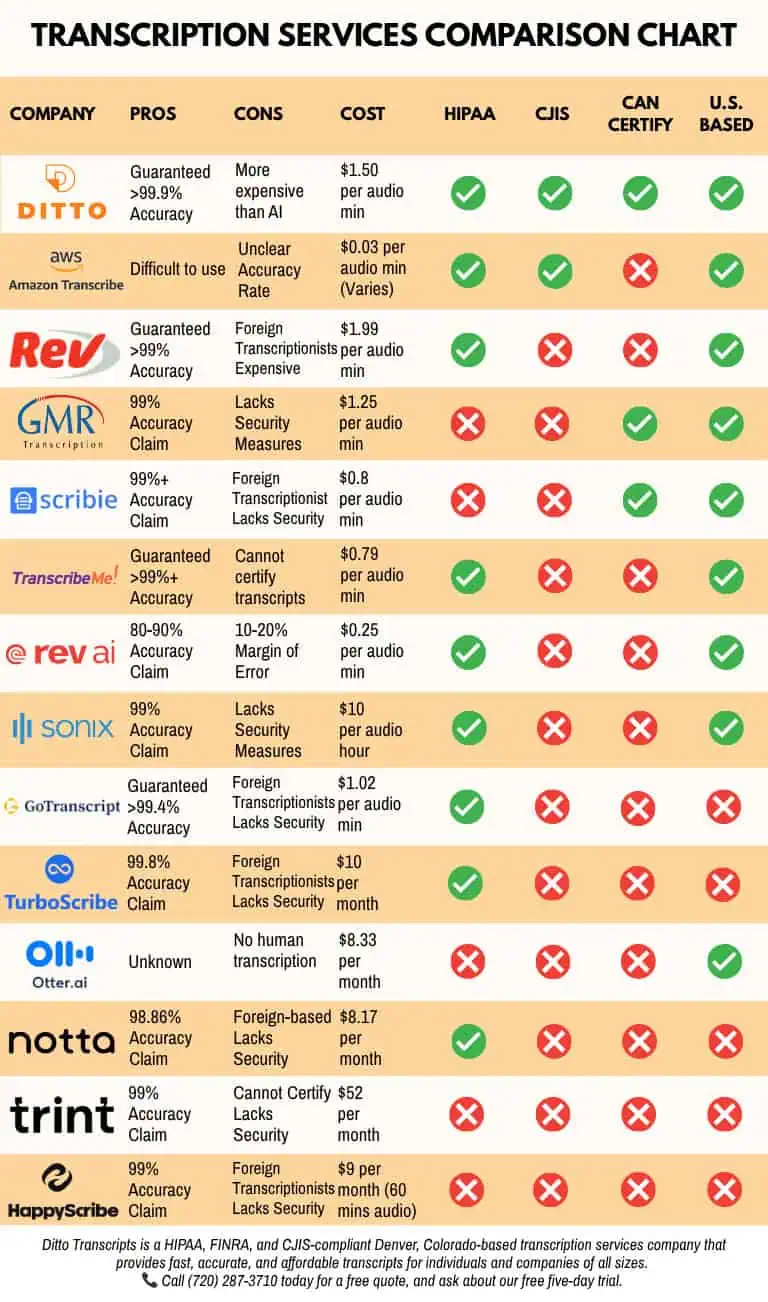
- Human-reviewed accuracy: Ditto advertises a 99% accuracy guarantee for completed human transcription projects.
- U.S.-based transcriptionists: Recordings are handled by professionals familiar with American English, addresses, business terminology, and multi-speaker conversations.
- Flexible formatting: Clients can request speaker labels, timestamps, clean-read text, custom templates, or verbatim transcription when every spoken word must be retained.
- Turnaround options: Ditto publishes rush, standard, and extended delivery options, with faster service available for qualifying files.
- Clear pricing: General and legal transcription prices range from $1.50 to $5.00 per audio minute. The final rate depends on turnaround, audio quality, speaker count, difficulty, and requested formatting.
- No long-term contract: Investors can submit one recording or use the service as deal and marketing volumes change.
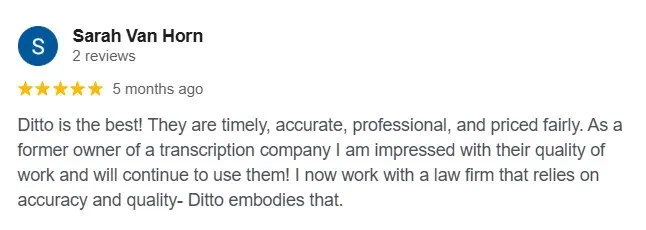
- Client feedback: Ditto’s testimonials highlight accuracy, responsiveness, turnaround time, formatting, and pricing.
Use Technology to Protect Your Time
Real estate investors cannot create more hours; instead, they can reduce the number of hours spent searching for notes, repeating data entry, chasing signatures, and organizing receipts.
Choose tools that solve a specific workflow problem and can be used consistently by everyone involved. Start with the most expensive bottleneck, document the process, and automate only after the process works.
Ditto Transcripts provides human-powered real estate transcription for calls, voicemails, meetings, videos, dictation, and other recorded content. The company is based in Denver, Colorado, and offers accurate, secure, and flexible transcription services for organizations of different sizes—call (720) 287-3710 for a free quote.